Whole-House Filtration
How point-of-entry sediment and carbon stages treat water for the entire household before it reaches any fixture.
Read the noteReference notes on how point-of-entry filtration, ion-exchange softening, and hardness management work at the household scale, with attention to the mineral-rich groundwater common across the Prairies and parts of Ontario.
Municipal supplies in coastal cities such as Vancouver tend to be soft, while groundwater wells across Saskatchewan, Manitoba, and southern Alberta are frequently hard. The right approach depends on what is actually in the water, which is why testing comes before equipment.
Hardness, iron, pH, and total dissolved solids each point to different treatment paths. A laboratory report removes guesswork and prevents oversized systems.
Sediment, chlorine taste, and scale-forming minerals are separate issues. Carbon, ion exchange, and reverse osmosis address different fractions of water chemistry.
Cartridges, salt, and membranes need periodic attention. A system is only as effective as its upkeep schedule allows it to be.
How point-of-entry sediment and carbon stages treat water for the entire household before it reaches any fixture.
Read the note
What ion-exchange softeners do with calcium and magnesium, how regeneration works, and the trade-offs of added sodium.
Read the note
Recognising scale, reading a hardness report in mg/L and grains per gallon, and deciding when treatment is worthwhile.
Read the note
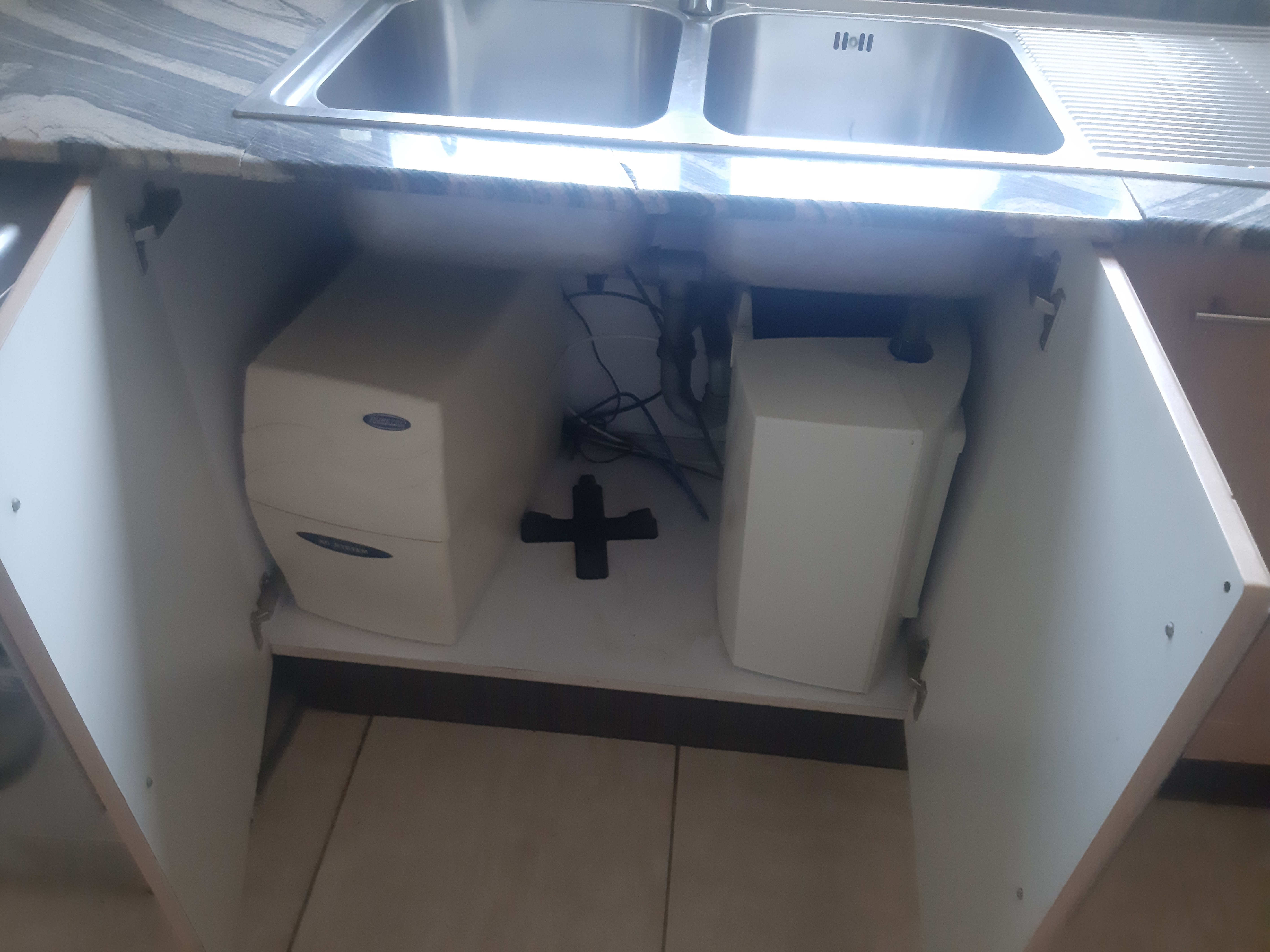
Treatment is often layered. A point-of-entry stage protects plumbing and appliances, a softener manages hardness, and a point-of-use reverse osmosis unit at the kitchen sink polishes water intended for drinking and cooking.
Use this form to flag an error in a note or to ask a general question about residential water treatment. Submissions are handled in the browser only; nothing is transmitted to a server.
The hardness note explains the units and thresholds that the rest of the site refers to.